
Revolutionizing Egg Tray Production: A Comprehensive Guide to Egg Tray Processing Equipment
Egg tray processing equipment plays a pivotal role in the production of egg trays, which are widely used for packaging eggs and other fragile items. This specialized machinery utilizes recycled paper pulp to create durable, lightweight trays that protect contents during transportation and storage. The efficiency and effectiveness of egg tray processing equipment are vital for manufacturers aiming
The egg tray production process begins with the collection of waste paper materials, which are then pulped and blended with water to form a slurry. This slurry is the foundation of the egg trays and must be processed using equipment designed for optimal results. Key components of egg tray processing equipment include pulping machines, forming machines, drying systems, and packaging units. Each component plays a specific role in ensuring the production of high-quality egg trays.
Pulping machines are responsible for breaking down the paper into a slurry. This step is crucial, as the quality of the pulp directly affects the strength and durability of the final product. Advanced pulping technology can enhance the efficiency of this process, reducing energy consumption and improving output.
Once the pulp is prepared, forming machines shape the slurry into the desired tray molds. This stage is where the egg tray takes form, and it often employs vacuum or pressure techniques to ensure that the pulp adheres well to the mold. The choice of forming technology can significantly impact the speed and quality of production, making it essential for manufacturers to select equipment that is compatible with their specific operational needs.
After forming, the trays must be dried to remove excess moisture. This is typically achieved through drying systems, which can utilize various methods, including hot air drying or infrared drying. The drying process is critical, as it affects the structural integrity of the trays. Optimizing drying time and energy usage not only improves the quality of the trays but also enhances overall production efficiency.
Finally, the dried egg trays are ready for packaging. Efficient packaging systems are necessary to ensure that the trays are well-protected during shipment and storage, minimizing the risk of damage.
In conclusion, understanding the components and functioning of egg tray processing equipment is essential for professionals in the manufacturing sector. By investing in high-quality machinery and optimizing production processes, manufacturers can significantly enhance their output, reduce costs, and contribute to environmental sustainability through the use of recycled materials. This comprehensive knowledge empowers companies to thrive in a competitive market while ensuring the production of reliable and effective egg trays.
TAG:
Previous
Related Blog

What is the production process of egg trays?
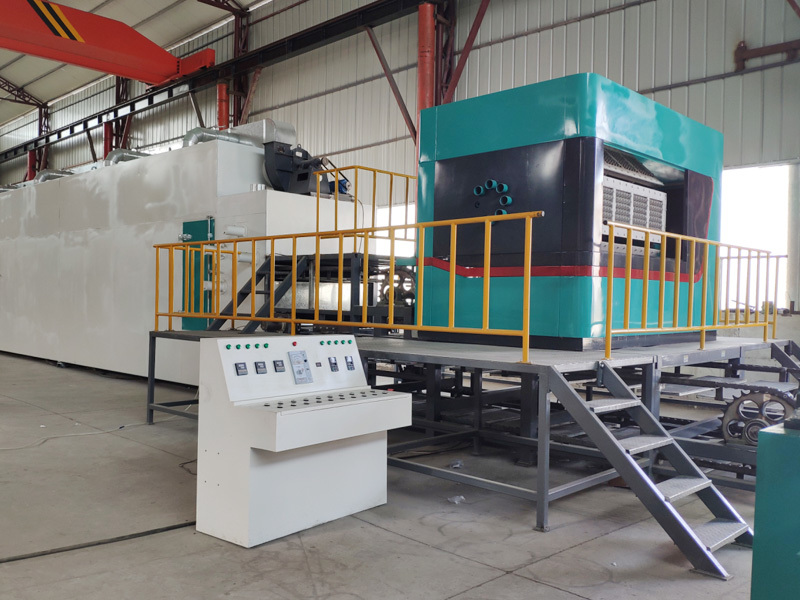
The advantages of our automatic egg tray machine
Firstly, fewer workers are needed, and machines can replace workers to complete most of the work. In addition, it can also reduce the rate of defective products.
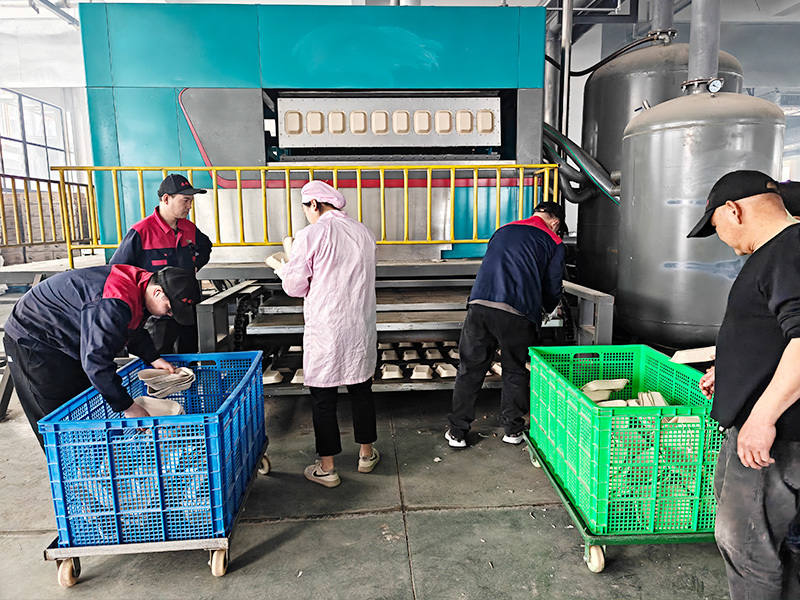
What are the precautions for buying an egg tray machine?
Firstly, determine the required equipment specifications and models based on production needs; secondly, choose a good and experienced manufacturer to ensure the reliability of equipment quality;
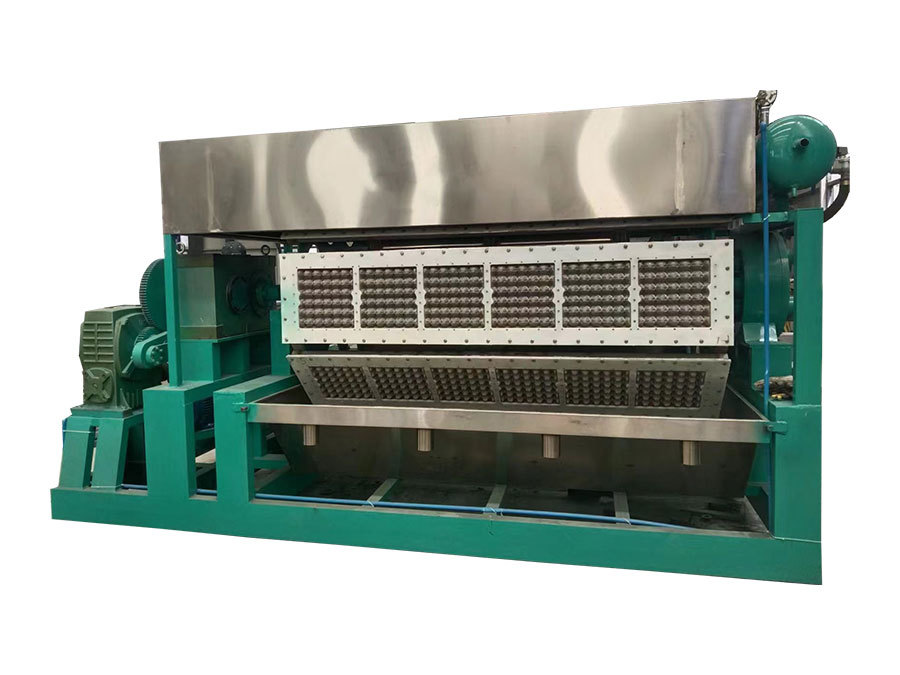
Revolutionizing Egg Tray Production: A Comprehensive Guide to Egg Tray Processing Equipment
Egg tray processing equipment plays a pivotal role in the production of egg trays, which are widely used for packaging eggs and other fragile items. This specialized machinery utilizes recycled paper pulp to create durable, lightweight trays that protect contents during transportation and storage. The efficiency and effectiveness of egg tray processing equipment are vital for manufacturers aiming

Dedicated to research and innovation in egg tray machines, egg tray production lines, pulp molding production lines, industrial packaging, tableware packaging, automatic packaging machines, and other related fields


