
Essential Guide on How to Maintain Your Small Egg Tray Production Machines Effectively
How to Maintain Your Small Egg Tray Production Machines Effectively Table of Contents 1. Introduction to Egg Tray Production Machines 2. Importance of Regular Maintenance 3. Key Components of Small Egg Tray Production Machines 4. Daily Maintenance Tips for Optimal Performance 5. Weekly Maintenance Procedures You Should Follow 6. Monthly Maintenance Checklist 7. Trouble
How to Maintain Your Small Egg Tray Production Machines Effectively
Table of Contents
- 1. Introduction to Egg Tray Production Machines
- 2. Importance of Regular Maintenance
- 3. Key Components of Small Egg Tray Production Machines
- 4. Daily Maintenance Tips for Optimal Performance
- 5. Weekly Maintenance Procedures You Should Follow
- 6. Monthly Maintenance Checklist
- 7. Troubleshooting Common Issues
- 8. Knowing When to Upgrade Your Equipment
- 9. Conclusion
- 10. Frequently Asked Questions
1. Introduction to Egg Tray Production Machines
Egg tray production machines are essential in the paper processing industry, converting recycled paper into functional and eco-friendly packaging solutions for eggs. These machines streamline the production process, making it efficient and cost-effective. However, like any machinery, they require **regular maintenance** to ensure optimal performance and longevity.
2. Importance of Regular Maintenance
Regular maintenance is crucial for several reasons:
- **Increased Efficiency**: Well-maintained machines run smoothly, reducing downtime and enhancing productivity.
- **Cost Savings**: Preventative maintenance can save money on repairs and replacements in the long run.
- **Quality Assurance**: Consistent performance leads to a higher quality of egg trays produced, meeting industry standards.
- **Safety**: Regular checks ensure the machines operate safely, minimizing risks to operators.
3. Key Components of Small Egg Tray Production Machines
Understanding the main components of egg tray production machines is essential for effective maintenance. Key components include:
3.1. Pulping System
The pulping system converts raw paper into pulp. Ensure that this system is cleaned regularly to prevent contamination and blockages.
3.2. Molding System
This part shapes the pulp into trays. Regular lubrication and inspection for wear are critical to maintaining its functionality.
3.3. Drying System
The drying system is responsible for removing moisture from the molded trays. Monitor this system for any malfunctions, as they can seriously affect production quality.
3.4. Conveyor Belts
Conveyor belts transport materials through the production process. Regular checks for alignment and wear are necessary to avoid interruptions.
4. Daily Maintenance Tips for Optimal Performance
To maintain the efficiency of your small egg tray production machines, follow these daily maintenance tips:
4.1. Clean the Machine
Ensure that all components, especially the pulping and molding systems, are clean. Use soft cloths and appropriate cleaning solutions to avoid damaging the machinery.
4.2. Check Fluid Levels
Regularly check oil and coolant levels in the machine. Low fluid levels can lead to overheating and other operational issues.
4.3. Inspect Electrical Components
Check all electrical connections and wiring for signs of wear or damage. Tighten loose connections to prevent electrical failures.
4.4. Listen for Unusual Sounds
Pay attention to the sound the machine makes. Unusual noises can indicate mechanical problems that need immediate attention.
5. Weekly Maintenance Procedures You Should Follow
In addition to daily checks, implement the following weekly maintenance procedures:
5.1. Lubricate Moving Parts
Apply suitable lubricants to all moving parts to ensure smooth operation. This helps reduce friction and wear.
5.2. Inspect Belts and Chains
Examine the condition of conveyor belts and chains for signs of wear. Replace any damaged components promptly to avoid breakdowns.
5.3. Test Safety Features
Regularly test emergency stop buttons and safety guards to ensure they function correctly. This is essential for operator safety.
5.4. Check for Vibration Issues
Check for excessive vibration in the machine, which can indicate misalignment or imbalance. Address these issues immediately.
6. Monthly Maintenance Checklist
A thorough monthly maintenance checklist should include:
6.1. Comprehensive Cleaning
Conduct a detailed cleaning of the entire machine, focusing on hard-to-reach areas that may collect dust and debris.
6.2. Replace Filters
Change any air and oil filters as needed to ensure proper airflow and lubrication.
6.3. Calibration Checks
Calibrate the machine's settings to ensure they meet production specifications for quality egg trays.
6.4. Record Maintenance Activities
Keep a log of all maintenance activities and inspections performed. This documentation will help track the machine's performance over time.
7. Troubleshooting Common Issues
Even with regular maintenance, machines can experience issues. Here are some common problems and their solutions:
7.1. Machine Not Starting
If the machine fails to start, check power supply connections, fuses, and emergency stop buttons.
7.2. Inconsistent Tray Quality
Inconsistent tray quality may result from incorrect pulp consistency or issues with the drying system. Reassess pulp preparation and monitor the drying process.
7.3. High Energy Consumption
Increased energy consumption may indicate that components are not operating efficiently. Perform a thorough inspection to identify any malfunctioning parts.
7.4. Frequent Paper Jam
Frequent jams may result from improper alignment of the conveyor belts or worn-out components. Regularly check and adjust alignment.
8. Knowing When to Upgrade Your Equipment
As technology advances and production demands evolve, it may become necessary to upgrade your equipment. Consider the following indicators:
8.1. Decreased Efficiency
If your machine's output has significantly decreased despite maintenance, it may be time for an upgrade.
8.2. Frequent Breakdowns
A pattern of frequent breakdowns can indicate that the machine is nearing the end of its effective operational life.
8.3. New Technology
Emerging technologies may offer more efficient, cost-effective solutions. Staying updated on industry advancements is crucial.
8.4. Increased Production Demands
If your production needs are outpacing your current machine's capabilities, upgrading can help you meet those demands efficiently.
9. Conclusion
Proper maintenance of small egg tray production machines is vital to ensure their efficiency, longevity, and safety. By implementing daily, weekly, and monthly maintenance practices, manufacturers can enhance their production capabilities while minimizing costs associated with repairs and downtime. Understanding the key components of these machines and knowing how to troubleshoot common issues further aids in maintaining optimal performance. Investing in regular maintenance not only improves the production output but also ensures that you stay competitive in the evolving paper processing industry.
10. Frequently Asked Questions
10.1. How often should I perform maintenance on my egg tray production machine?
Regular maintenance should be performed daily, with more comprehensive checks conducted weekly and monthly.
10.2. What are the signs that my machine needs maintenance?
Indicators include unusual sounds, decreased production quality, and frequent breakdowns.
10.3. Can I perform maintenance on my own, or should I hire a professional?
Basic maintenance can be done in-house, but complex issues may require a professional technician.
10.4. What types of lubricants should I use for my machine?
Always refer to the manufacturer's guidelines for recommended lubricants specific to your machine's components.
10.5. How can I improve the lifespan of my equipment?
Regular maintenance, proper operation, and timely upgrades contribute to extending the lifespan of your equipment.
TAG:
Related Blog

What is the production process of egg trays?
The advantages of our automatic egg tray machine
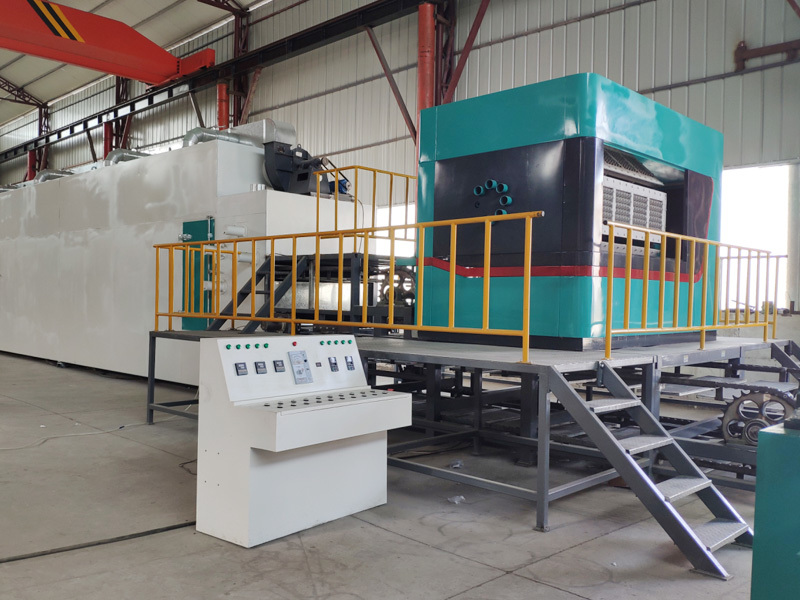
Firstly, fewer workers are needed, and machines can replace workers to complete most of the work. In addition, it can also reduce the rate of defective products.
What are the precautions for buying an egg tray machine?
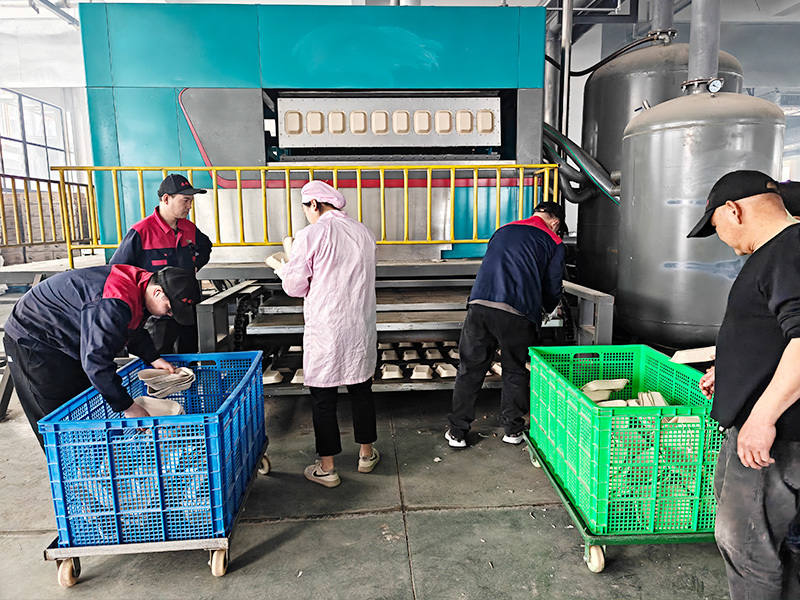
Firstly, determine the required equipment specifications and models based on production needs; secondly, choose a good and experienced manufacturer to ensure the reliability of equipment quality;
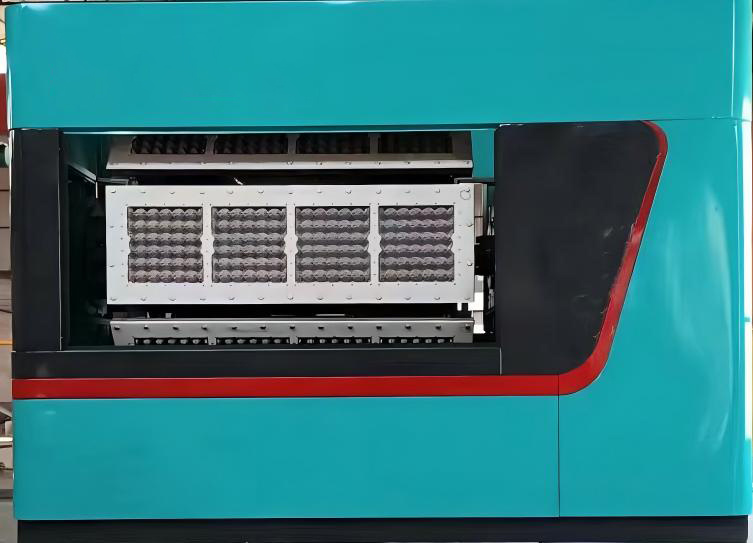
Essential Guide on How to Maintain Your Small Egg Tray Production Machines Effectively
How to Maintain Your Small Egg Tray Production Machines Effectively Table of Contents 1. Introduction to Egg Tray Production Machines 2. Importance of Regular Maintenance 3. Key Components of Small Egg Tray Production Machines 4. Daily Maintenance Tips for Optimal Performance 5. Weekly Maintenance Procedures You Should Follow 6. Monthly Maintenance Checklist 7. Trouble

Dedicated to research and innovation in egg tray machines, egg tray production lines, pulp molding production lines, industrial packaging, tableware packaging, automatic packaging machines, and other related fields


