
From Design to Delivery: The Journey of Egg Tray Machine Production Lines
From Design to Delivery: The Journey of Egg Tray Machine Production Lines Table of Contents 1. Introduction to Egg Tray Machines 2. Understanding the Design Process 2.1. Key Features of Egg Tray Machines 2.2. Design Considerations and Innovations 3. Selecting High-Quality Materials 4. Manufacturing Techniques for Egg Tray Machines 4
From Design to Delivery: The Journey of Egg Tray Machine Production Lines
Table of Contents
- 1. Introduction to Egg Tray Machines
- 2. Understanding the Design Process
- 2.1. Key Features of Egg Tray Machines
- 2.2. Design Considerations and Innovations
- 3. Selecting High-Quality Materials
- 4. Manufacturing Techniques for Egg Tray Machines
- 4.1. Roll Forming Methods
- 4.2. Pressure Molding Technology
- 5. Quality Control in Production
- 6. From Assembly to Delivery: The Final Steps
- 7. Future Trends in Egg Tray Machine Production
- 8. Frequently Asked Questions (FAQs)
- 9. Conclusion
1. Introduction to Egg Tray Machines
The demand for **eco-friendly packaging solutions** has driven innovations in the paper processing machinery industry, particularly in the production of **egg trays**. These versatile machines are essential for producing durable, recyclable trays used to protect eggs during transport. Understanding the journey from design to delivery of egg tray machine production lines is crucial for manufacturers aiming to yield high-quality products and meet market demands.
2. Understanding the Design Process
The design of an egg tray machine is the foundation of its performance and efficiency. A well-planned design not only enhances the effectiveness of the machine but also paves the way for innovation in production techniques.
2.1. Key Features of Egg Tray Machines
When designing an egg tray machine, several key features must be considered. These include:
- **Production Capacity**: The ability to produce a certain number of trays per hour is vital for meeting commercial demands.
- **Energy Efficiency**: Modern machines employ energy-saving technologies to reduce operating costs and minimize environmental impact.
- **Automation**: Integrated automation systems streamline production, reducing labor costs and increasing precision.
- **Versatility**: Many egg tray machines can produce trays of various sizes and shapes, catering to different market needs.
2.2. Design Considerations and Innovations
Innovations in design often stem from advancements in technology. For instance, the incorporation of **CAD (Computer-Aided Design)** software allows engineers to create more precise and efficient designs. Additionally, considering factors such as ease of maintenance, safety features, and user-friendly interfaces can significantly enhance the machine's overall functionality.
3. Selecting High-Quality Materials
The production of egg trays requires high-quality materials that can withstand the rigors of manufacturing and transport. Typically, **recycled paper pulp** is the primary material used. Selecting high-grade pulp ensures the durability and strength of the final product. Furthermore, the right materials contribute to the machine's longevity, reducing the need for frequent repairs or replacements.
4. Manufacturing Techniques for Egg Tray Machines
Once the design and materials have been finalized, the manufacturing process begins. This stage encompasses various techniques, each contributing to the overall efficiency and functionality of the egg tray machine.
4.1. Roll Forming Methods
Roll forming is a widely-used manufacturing technique for producing egg trays. This process involves feeding a continuous length of material through a series of rollers that shape it into the desired form. The advantages of roll forming include:
- **Consistency**: Producing uniform trays with minimal discrepancies in size and shape.
- **Speed**: High production rates, allowing manufacturers to meet large-scale demands efficiently.
- **Material Efficiency**: Minimal waste is generated during the manufacturing process.
4.2. Pressure Molding Technology
Pressure molding is another crucial technique in the production of egg trays. This method utilizes molds to shape the wet pulp into tray forms, which are then dried to ensure strength. Key benefits of pressure molding include:
- **Customization**: Allows for the production of trays with specific dimensions or designs.
- **Strength**: Produces sturdier trays that can better withstand handling and transportation.
5. Quality Control in Production
Quality control is an essential aspect of the production process. It ensures that every egg tray produced meets the required standards for strength, durability, and appearance. Implementing strict quality control measures involves:
- **Regular Inspections**: Monitoring machines throughout the production process to identify issues early.
- **Material Testing**: Evaluating the quality of raw materials before they enter production.
- **Final Product Evaluation**: Conducting thorough checks on finished trays to ensure they meet specifications.
6. From Assembly to Delivery: The Final Steps
Once the egg trays are produced, they undergo assembly and packaging before delivery. This stage involves several key activities:
- **Stacking and Packaging**: Trays are carefully stacked, packaged, and labeled for shipping.
- **Logistics Management**: Coordinating transportation methods to ensure timely delivery to customers.
- **Client Communication**: Keeping customers informed about delivery schedules and any potential delays.
7. Future Trends in Egg Tray Machine Production
As the egg tray machine industry continues to evolve, several trends are shaping its future:
- **Sustainability**: Growing emphasis on eco-friendly materials and energy-efficient production methods.
- **Smart Technology Integration**: The rise of IoT (Internet of Things) solutions to monitor machine performance remotely.
- **Enhanced Automation**: Increased automation in production processes to further reduce labor costs and improve efficiency.
8. Frequently Asked Questions (FAQs)
8.1. What is an egg tray machine?
An egg tray machine is a specialized piece of equipment that produces trays designed to hold and protect eggs during transport and storage.
8.2. How does the egg tray production process work?
The process typically involves designing the machine, selecting materials, manufacturing using techniques like roll forming and pressure molding, followed by quality control, and finally assembly and delivery.
8.3. What materials are used in egg tray production?
Recycled paper pulp is the primary material used for producing egg trays due to its sustainability and strength.
8.4. How is quality ensured during production?
Quality control measures include regular inspections, material testing, and evaluations of the final product to ensure they meet industry standards.
8.5. What are the future trends in the egg tray machine industry?
Future trends include a focus on sustainability, integration of smart technology, and enhanced automation in production processes.
9. Conclusion
The journey of egg tray machine production lines from design to delivery is complex yet fascinating. By understanding the various stages—from innovative design processes and high-quality material selection to advanced manufacturing techniques and stringent quality control—stakeholders can appreciate the significance of these machines in the paper processing industry. As we move toward a more sustainable future, egg tray machines will play a pivotal role in offering eco-friendly packaging solutions while continuously evolving to meet consumer needs. Manufacturers who stay ahead of these trends will not only enhance their operational efficiency but also position themselves as leaders in the marketplace.
TAG:
Previous
Related Blog

What is the production process of egg trays?
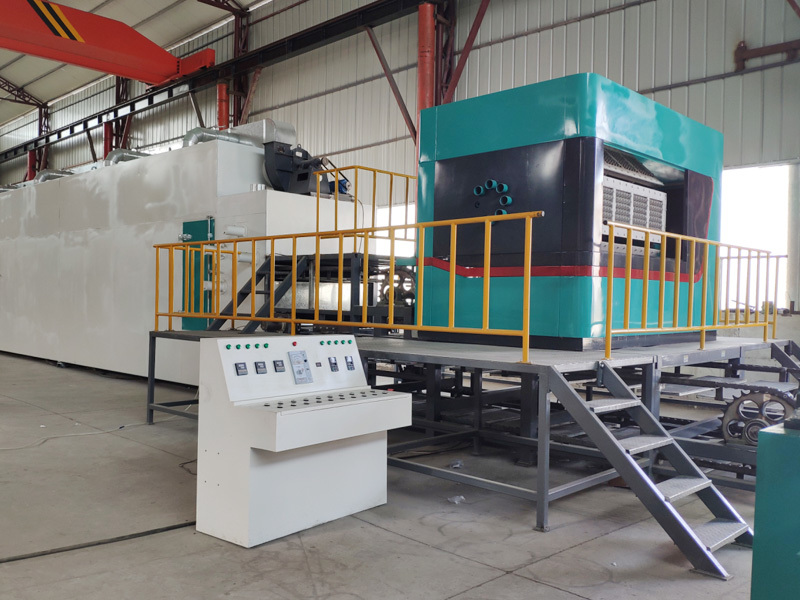
The advantages of our automatic egg tray machine
Firstly, fewer workers are needed, and machines can replace workers to complete most of the work. In addition, it can also reduce the rate of defective products.
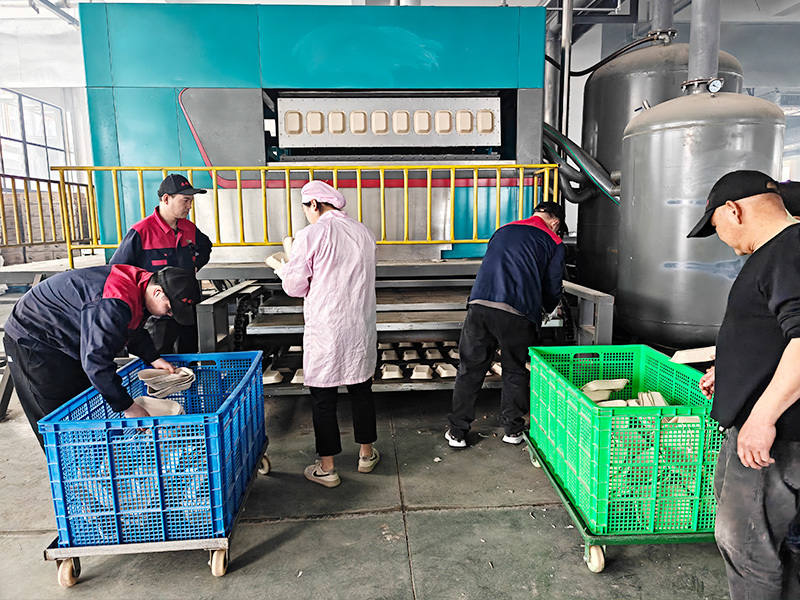
What are the precautions for buying an egg tray machine?
Firstly, determine the required equipment specifications and models based on production needs; secondly, choose a good and experienced manufacturer to ensure the reliability of equipment quality;

From Design to Delivery: The Journey of Egg Tray Machine Production Lines
From Design to Delivery: The Journey of Egg Tray Machine Production Lines Table of Contents 1. Introduction to Egg Tray Machines 2. Understanding the Design Process 2.1. Key Features of Egg Tray Machines 2.2. Design Considerations and Innovations 3. Selecting High-Quality Materials 4. Manufacturing Techniques for Egg Tray Machines 4

Dedicated to research and innovation in egg tray machines, egg tray production lines, pulp molding production lines, industrial packaging, tableware packaging, automatic packaging machines, and other related fields


