
The Future of Eco-Friendly Packaging: Full-Automatic Egg Tray Machines
The Future of Eco-Friendly Packaging: Full-Automatic Egg Tray Machines Introduction to Eco-Friendly Packaging Solutions In recent years, the global demand for sustainable packaging solutions has surged. As environmentally-conscious consumers prioritize eco-friendly options, industries must adapt to these changing preferences to remain competitive. One innovative development in this area is the *
The Future of Eco-Friendly Packaging: Full-Automatic Egg Tray Machines
Introduction to Eco-Friendly Packaging Solutions
In recent years, the global demand for sustainable packaging solutions has surged. As environmentally-conscious consumers prioritize eco-friendly options, industries must adapt to these changing preferences to remain competitive. One innovative development in this area is the **full-automatic egg tray machine**, designed to produce versatile and biodegradable packaging from recycled paper pulp. This article explores the future of eco-friendly packaging, the technology behind full-automatic egg tray machines, and their role in promoting sustainability.
Understanding Full-Automatic Egg Tray Machines
Full-automatic egg tray machines are cutting-edge devices that manufacture egg trays with minimal human intervention. These machines utilize recycled paper waste, which is processed into pulp, molded into trays, and subsequently dried. The automation aspect allows for increased efficiency, reduced operational costs, and consistent product quality.
The Process of Egg Tray Production
The production process involves several key steps, each contributing to the creation of high-quality egg trays:
1. Pulp Preparation
The process begins with the collection of used paper products, which are then shredded and mixed with water to create a slurry. This pulp is essential for forming the egg trays and is a crucial element in the eco-friendliness of the final product.
2. Molding and Shaping
Once the pulp is prepared, it is poured into molds that shape it into egg trays. Full-automatic egg tray machines ensure that this step is performed quickly and efficiently, allowing for high production rates.
3. Drying Process
After molding, the trays must be dried to ensure they maintain their shape and integrity. This is often done using heat sources or innovative drying technologies integrated within the machine itself.
4. Quality Control
Automated systems allow for real-time monitoring and quality checks, ensuring that each batch of trays meets established standards. This consistency is vital for businesses relying on egg trays for their operations.
Advantages of Full-Automatic Egg Tray Machines
The shift towards full-automatic egg tray machines offers numerous advantages for manufacturers and the environment alike.
1. Environmental Impact
By utilizing recycled paper, these machines reduce the reliance on virgin materials, thereby lowering deforestation rates and the carbon footprint associated with production. Additionally, egg trays made from paper pulp are biodegradable, meaning they won't contribute to landfill waste.
2. Cost-Effectiveness
Automation significantly reduces labor costs while increasing production efficiency. Lower operational costs enable businesses to invest in other sustainable practices and technologies.
3. Versatility in Applications
While primarily used for egg packaging, these machines can also produce trays for fruits, vegetables, and various fragile items. This versatility opens new markets and opportunities for manufacturers.
4. Enhanced Production Efficiency
Full-automatic machines can produce thousands of trays per hour, making them ideal for businesses with high demand. The speed and efficiency of these machines ensure a steady supply of packaging materials.
The Role of Technology in Sustainable Packaging
Technological advancements play a pivotal role in enhancing the efficiency and sustainability of egg tray production. Some key innovations include:
1. Energy Efficiency
Modern machines are designed to consume less energy while maintaining high output levels. By implementing energy-efficient technologies, manufacturers can further reduce their environmental impact.
2. Smart Automation
Integrating IoT (Internet of Things) technologies allows for smarter production lines that monitor performance, predict maintenance needs, and optimize resource usage, leading to greater sustainability.
3. Advanced Materials Science
Research into alternative materials for pulp production, such as agricultural waste, is ongoing. These innovations have the potential to make egg tray production even more sustainable.
Market Trends Influencing the Adoption of Eco-Friendly Packaging
Several market trends indicate a growing preference for sustainable packaging options, including:
1. Consumer Demand for Sustainability
Today's consumers are increasingly aware of environmental issues and are more likely to choose brands that prioritize sustainability. This shift drives companies to seek eco-friendly packaging solutions.
2. Regulatory Pressures
Governments worldwide are implementing stricter regulations on plastic usage, pushing industries to adopt more sustainable practices. Full-automatic egg tray machines align well with these regulatory trends.
3. Brand Reputation and Corporate Responsibility
Companies focusing on sustainable practices often enjoy enhanced reputations, which can lead to increased customer loyalty and trust. Investing in eco-friendly packaging solutions positions brands as responsible corporate citizens.
Challenges in the Adoption of Full-Automatic Egg Tray Machines
While the benefits are clear, there are challenges that businesses must navigate when adopting full-automatic egg tray machines:
1. Initial Investment Costs
The upfront costs of purchasing automated machinery can be significant. However, the long-term savings in labor and material costs often justify this investment.
2. Training and Skill Development
Employees may require training to operate new machinery and technologies effectively. Investing in workforce development is crucial for maximizing the benefits of automation.
3. Market Competition
As more companies adopt eco-friendly practices, the competition within the sustainable packaging sector intensifies. Continuous innovation and adaptation are essential to stay ahead.
Future Prospects for Full-Automatic Egg Tray Machines
The future of full-automatic egg tray machines looks promising as industries continue to prioritize sustainability. Potential developments include:
1. Further Technological Integration
We anticipate that advancements in automation, robotics, and AI will further streamline the production process, making it even more efficient.
2. Expansion into New Markets
As consumer awareness of sustainable packaging grows, opportunities will emerge in new sectors, such as cosmetics and electronics packaging.
3. Enhanced Customization Options
Future egg tray machines may offer increased customization to meet specific customer needs, allowing businesses to differentiate themselves in the marketplace.
Conclusion
Full-automatic egg tray machines represent a significant step forward in the quest for sustainable packaging solutions. By leveraging advanced technology, these machines not only produce high-quality packaging but also contribute to a greener planet. As the demand for eco-friendly packaging continues to rise, investing in full-automatic egg tray machines is a strategic move for manufacturers looking to align with consumer expectations and regulatory requirements. The future is bright for eco-friendly packaging, and full-automatic egg tray machines are at the forefront of this transformation.
FAQs
1. What is a full-automatic egg tray machine?
A full-automatic egg tray machine is a device that produces egg trays from recycled paper pulp with minimal human intervention, enhancing production efficiency and sustainability.
2. How do full-automatic egg tray machines contribute to environmental sustainability?
These machines utilize recycled paper, reducing the need for virgin materials and producing biodegradable packaging, which helps lower waste and environmental impact.
3. What are the main advantages of using full-automatic egg tray machines?
Key advantages include cost-effectiveness, increased production efficiency, versatility in applications, and reduced environmental impact.
4. Are there any challenges associated with adopting full-automatic egg tray machines?
Yes, challenges can include initial investment costs, the need for employee training, and increased competition in the sustainable packaging market.
5. What is the future outlook for the egg tray machine industry?
The future looks promising, with advancements in technology, potential market expansions, and enhanced customization options expected to drive growth in the industry.
TAG:
Related Blog

What is the production process of egg trays?
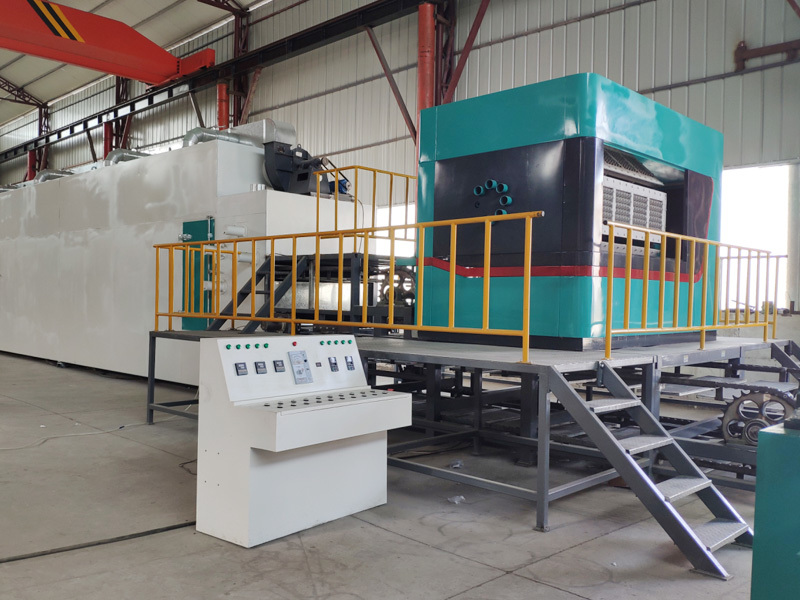
The advantages of our automatic egg tray machine
Firstly, fewer workers are needed, and machines can replace workers to complete most of the work. In addition, it can also reduce the rate of defective products.
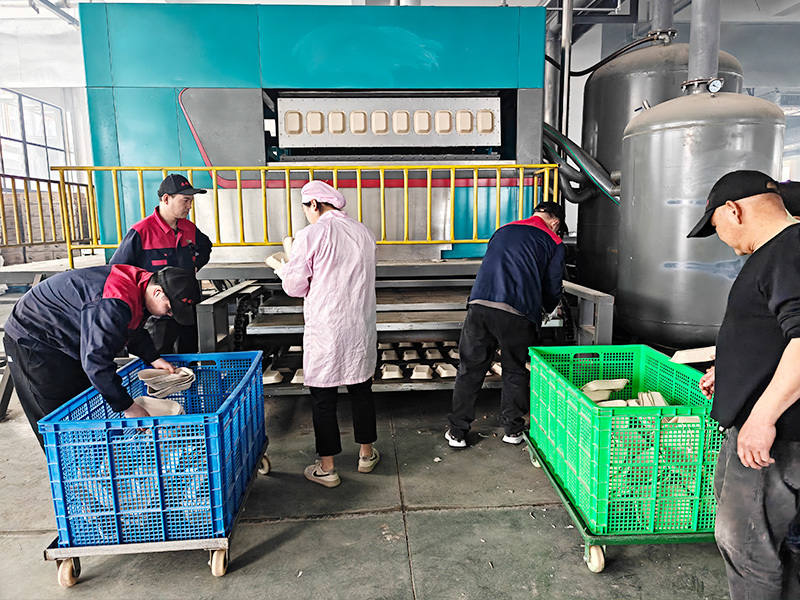
What are the precautions for buying an egg tray machine?
Firstly, determine the required equipment specifications and models based on production needs; secondly, choose a good and experienced manufacturer to ensure the reliability of equipment quality;
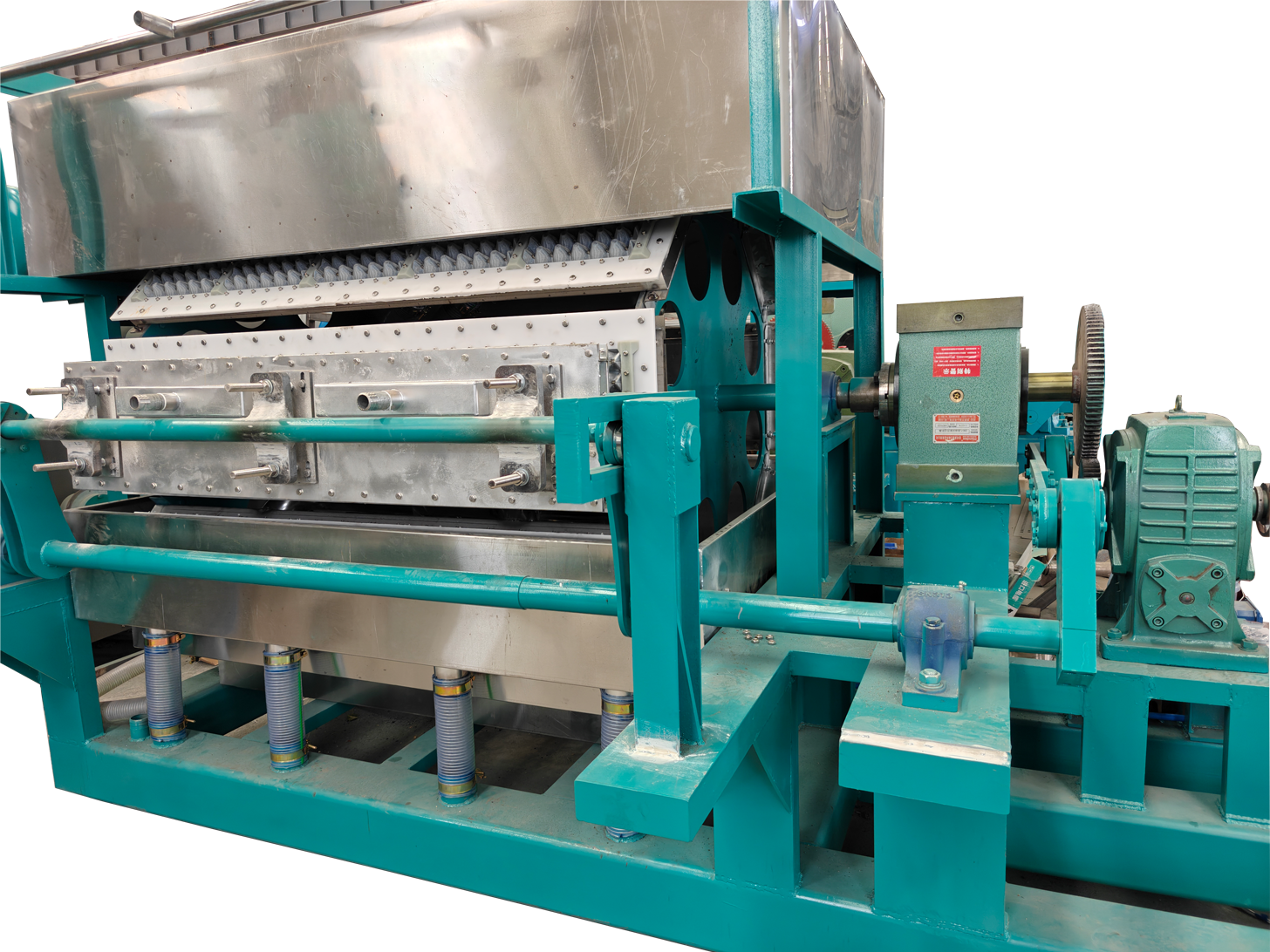
The Future of Eco-Friendly Packaging: Full-Automatic Egg Tray Machines
The Future of Eco-Friendly Packaging: Full-Automatic Egg Tray Machines Introduction to Eco-Friendly Packaging Solutions In recent years, the global demand for sustainable packaging solutions has surged. As environmentally-conscious consumers prioritize eco-friendly options, industries must adapt to these changing preferences to remain competitive. One innovative development in this area is the *

Dedicated to research and innovation in egg tray machines, egg tray production lines, pulp molding production lines, industrial packaging, tableware packaging, automatic packaging machines, and other related fields


