
Comparing Manual vs. Automatic Small Egg Tray Production Equipment: Which One Fits Your Needs?
Comparing Manual vs. Automatic Small Egg Tray Production Equipment Table of Contents 1. Introduction 2. Understanding Egg Tray Production 3. Manual Egg Tray Production Equipment 4. Advantages of Manual Equipment 5. Disadvantages of Manual Equipment 6. Automatic Egg Tray Production Equipment 7. Advantages of Automatic Equipment 8. Disadvantages of Automatic Equipment 9. Cost Anal
Comparing Manual vs. Automatic Small Egg Tray Production Equipment
Table of Contents
- 1. Introduction
- 2. Understanding Egg Tray Production
- 3. Manual Egg Tray Production Equipment
- 4. Advantages of Manual Equipment
- 5. Disadvantages of Manual Equipment
- 6. Automatic Egg Tray Production Equipment
- 7. Advantages of Automatic Equipment
- 8. Disadvantages of Automatic Equipment
- 9. Cost Analysis: Manual vs. Automatic
- 10. Which is Right for You?
- 11. FAQs
- 12. Conclusion
1. Introduction
The production of **egg trays** is a crucial aspect of the poultry industry, ensuring that eggs are packaged safely and efficiently. With several methods available for producing these trays, selecting the right equipment can significantly impact your production efficiency and profitability. This article provides an in-depth comparison of **manual vs. automatic small egg tray production equipment**, focusing on their respective advantages, disadvantages, and overall suitability for different business models.
2. Understanding Egg Tray Production
Egg trays serve a key role in transporting and storing eggs, protecting them from damage. Depending on production needs, businesses can choose between various materials and methods. The two main types of production equipment include manual and automatic machines, each catering to unique operational requirements. Understanding these differences is essential for selecting the right equipment.
3. Manual Egg Tray Production Equipment
Manual egg tray production equipment relies heavily on human labor. This type of machinery is designed for small-scale operations where production volumes are relatively low. It generally includes basic machinery for pulp molding, forming, and drying, with minimal automation involved.
How Manual Equipment Works
Manual equipment typically involves several straightforward stages:
- **Pulp Preparation**: Raw materials, mainly recycled paper, are shredded and mixed with water to create a slurry.
- **Molding**: The slurry is poured into molds by hand, forming the tray shape.
- **Drying**: The molded trays are removed from the molds and dried either under the sun or in a drying chamber.
- **Final Processing**: Once dried, trays are stacked and packaged for distribution.
4. Advantages of Manual Equipment
Opting for manual egg tray production equipment provides several benefits, particularly for small businesses or startups.
Cost-Effective Initial Investment
The primary advantage of manual equipment is its low initial cost. Entrepreneurs can start their businesses with minimal capital investment, making it an attractive option for those with limited budgets.
Flexibility in Operations
Manual equipment allows for greater flexibility in production. Operators can adjust their output based on demand, making it easier to manage fluctuations without the constraints of automated systems.
Lower Maintenance Costs
Manual machines typically require less maintenance and are easier to repair. This translates to lower operational costs over time, allowing small businesses to allocate resources to other areas.
5. Disadvantages of Manual Equipment
Despite the benefits, manual equipment also has significant drawbacks.
Labor Intensive
Manual production processes demand a substantial amount of labor, which can lead to increased operational costs and potential workforce challenges.
Inconsistency in Quality
Human error can lead to inconsistencies in product quality, affecting the overall reliability of the trays and potentially harming your business reputation.
Limited Production Capacity
Manual systems can only produce a limited number of trays, restricting growth potential. This may become a significant barrier as demand increases.
6. Automatic Egg Tray Production Equipment
Automatic egg tray production equipment represents a more advanced approach to manufacturing, utilizing advanced technology to streamline production. These machines can operate with minimal human intervention, making them ideal for larger operations.
How Automatic Equipment Works
Automatic machines take over the entire production process, typically consisting of:
- **Automated Pulp Preparation**: Raw materials are prepped using automated systems for consistent slurry quality.
- **Molding and Forming**: The slurry is automatically poured into molds, ensuring uniformity.
- **Controlled Drying Systems**: Automatic dryers regulate temperature and humidity for optimal drying conditions.
- **Packaging**: Finished trays are automatically packaged, ready for shipment.
7. Advantages of Automatic Equipment
Automatic small egg tray production equipment comes with numerous advantages for larger operations.
High Production Efficiency
Automated processes significantly enhance production speed and output, allowing businesses to meet high demand without the constraints of manual labor.
Consistency and Quality Control
Automatic machines deliver superior consistency in product quality. With precise control over every aspect of production, the final egg trays meet stringent quality standards.
Reduced Labor Costs
By minimizing human involvement, businesses can reduce labor costs, allowing them to allocate resources to other critical business areas.
8. Disadvantages of Automatic Equipment
While automatic equipment boasts many benefits, it also comes with its own set of challenges.
Higher Initial Investment
The cost of purchasing and installing automatic machines is significantly higher than manual equipment. This can be a barrier for startups or small businesses with limited capital.
Complex Maintenance**
Automatic machines often require specialized technicians for maintenance and repairs, which can increase operational costs and downtime.
Less Flexibility**
Automatic systems are typically designed for high-volume production runs, which can limit flexibility in adjusting output based on fluctuating demand.
9. Cost Analysis: Manual vs. Automatic
When deciding between manual and automatic equipment, a cost analysis is crucial.
Initial Investment
Manual systems usually range from $5,000 to $20,000, while automatic systems can range from $20,000 to over $100,000, depending on the capacity and features.
Operational Costs
Manual systems involve higher labor costs due to the need for more staff. In contrast, automatic systems require fewer workers but may incur higher maintenance costs.
Production Efficiency
Automatic systems can produce significantly more trays per hour compared to manual systems. This efficiency often translates to better profitability in the long run, especially as demand for products increases.
10. Which is Right for You?
Choosing the right egg tray production equipment hinges on several factors, including business size, production goals, and budget constraints.
For Startups and Small Businesses
Manual equipment may be the best choice for those starting small. Its lower cost and flexibility make it easier to navigate the initial phases of a business.
For Established Businesses and Higher Demand
For businesses with established markets and higher production demands, investing in automatic equipment is often more advantageous. The increased efficiency and quality control can lead to higher profits and greater market competitiveness.
11. FAQs
What materials are used to make egg trays?
Egg trays are typically made from recycled paper, cardboard, or pulp molding materials.
What is the average lifespan of egg tray production equipment?
The lifespan varies, but both manual and automatic machines can last several years with proper maintenance.
Can I upgrade from manual to automatic equipment later?
Yes, many businesses start with manual equipment and upgrade to automatic systems as demand increases.
How much space do I need for egg tray production?
Space requirements depend on the scale of production but typically range from a small room for manual equipment to a larger facility for automatic systems.
Is training required for operating automatic equipment?
Yes, proper training is essential for operating automatic machinery to ensure safe and efficient production.
12. Conclusion
The decision to invest in manual or automatic small egg tray production equipment is significant and should be made after a careful assessment of your business needs, budget, and production goals. Manual machines offer a cost-effective solution for smaller operations, while automatic systems provide efficiency and consistency for larger businesses. Understanding the pros and cons of both options will empower you to make an informed choice that aligns with your operational objectives and drives your business forward.
TAG:
Previous:
Related Blog

What is the production process of egg trays?
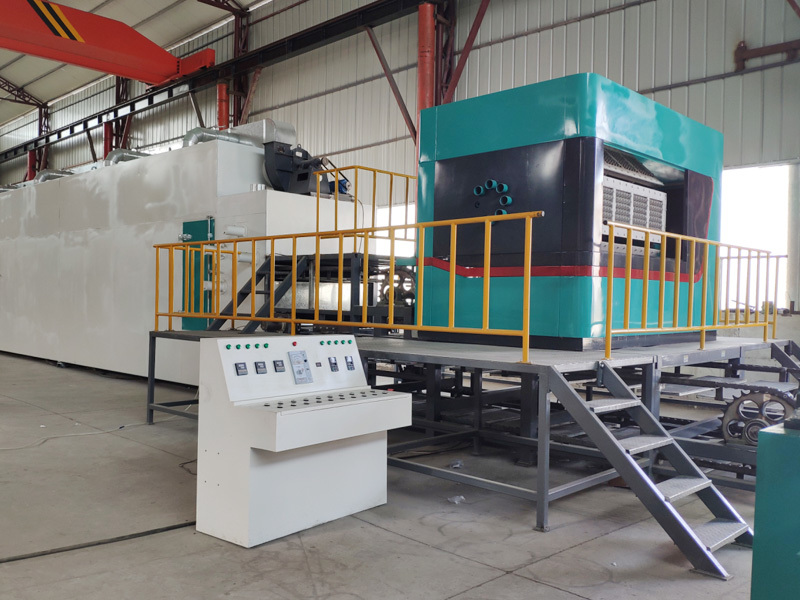
The advantages of our automatic egg tray machine
Firstly, fewer workers are needed, and machines can replace workers to complete most of the work. In addition, it can also reduce the rate of defective products.
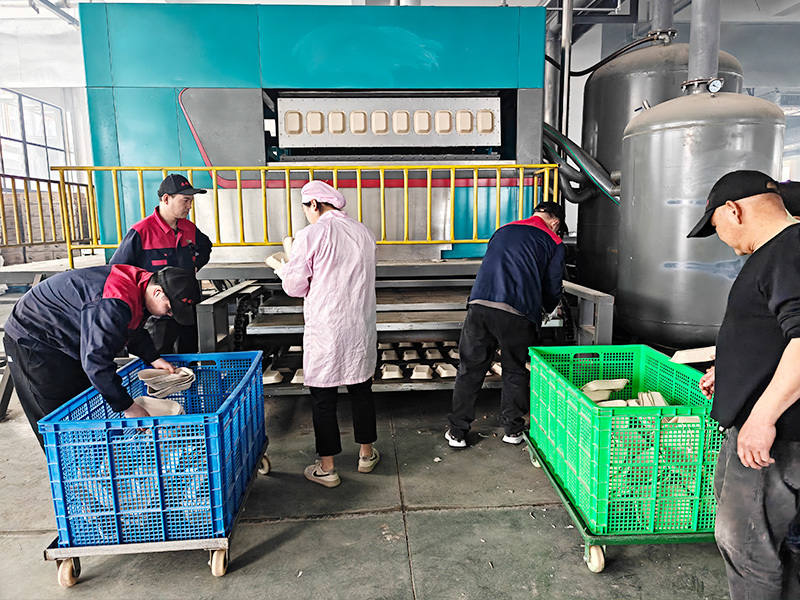
What are the precautions for buying an egg tray machine?
Firstly, determine the required equipment specifications and models based on production needs; secondly, choose a good and experienced manufacturer to ensure the reliability of equipment quality;
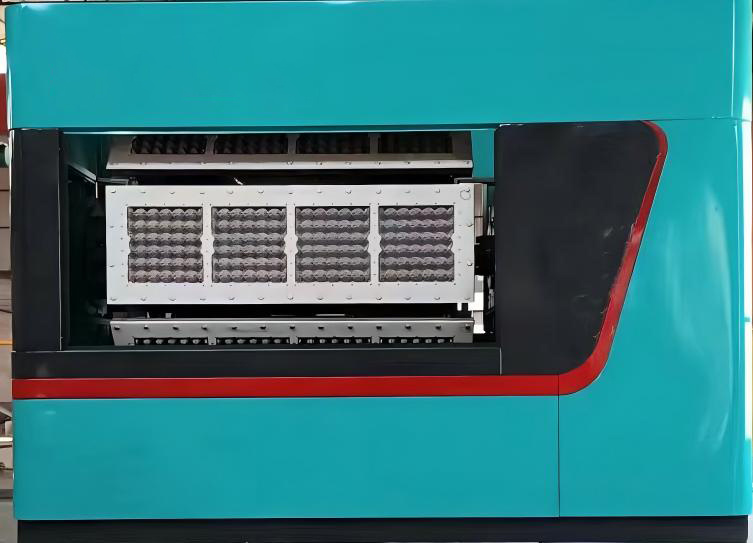
Comparing Manual vs. Automatic Small Egg Tray Production Equipment: Which One Fits Your Needs?
Comparing Manual vs. Automatic Small Egg Tray Production Equipment Table of Contents 1. Introduction 2. Understanding Egg Tray Production 3. Manual Egg Tray Production Equipment 4. Advantages of Manual Equipment 5. Disadvantages of Manual Equipment 6. Automatic Egg Tray Production Equipment 7. Advantages of Automatic Equipment 8. Disadvantages of Automatic Equipment 9. Cost Anal

Dedicated to research and innovation in egg tray machines, egg tray production lines, pulp molding production lines, industrial packaging, tableware packaging, automatic packaging machines, and other related fields


