
Exploring the Technology Behind Full-Automatic Egg Tray Machines: Revolutionizing the Packaging Industry
Exploring the Technology Behind Full-Automatic Egg Tray Machines Table of Contents 1. Introduction to Full-Automatic Egg Tray Machines 2. Overview of Egg Tray Manufacturing Technology 3. Key Components of Full-Automatic Egg Tray Machines 4. The Production Process: Step-by-Step Breakdown 5. Advantages of Using Full-Automatic Egg Tray Machines 6. Applications of Egg Tray Mac
Exploring the Technology Behind Full-Automatic Egg Tray Machines
Table of Contents
- 1. Introduction to Full-Automatic Egg Tray Machines
- 2. Overview of Egg Tray Manufacturing Technology
- 3. Key Components of Full-Automatic Egg Tray Machines
- 4. The Production Process: Step-by-Step Breakdown
- 5. Advantages of Using Full-Automatic Egg Tray Machines
- 6. Applications of Egg Tray Machines in Various Industries
- 7. Sustainability and Environmental Impact
- 8. Future Trends in Egg Tray Manufacturing Technology
- 9. Frequently Asked Questions
- 10. Conclusion
1. Introduction to Full-Automatic Egg Tray Machines
In recent years, the demand for efficient, sustainable packaging solutions has skyrocketed, particularly in the food and agricultural sectors. **Full-automatic egg tray machines** have emerged as a revolutionary answer to this need, providing an efficient means of producing high-quality egg trays. These machines automate the entire production process, reducing labor costs and minimizing human error, while ensuring consistency in product quality. This article explores the intricate technology behind these machines, shedding light on their components, production processes, and broader implications for various industries.
2. Overview of Egg Tray Manufacturing Technology
Egg tray manufacturing technology has evolved significantly, transitioning from manual methods to highly automated systems. Full-automatic machines utilize advanced technology to create egg trays from recycled paper pulp, which is not only cost-effective but also environmentally friendly. The process involves several key stages, including pulp preparation, molding, drying, and packaging. Each of these stages is meticulously controlled to ensure optimal product output and quality.
Understanding the Basics of Pulp Production
The foundation of egg tray production lies in the preparation of pulp. The process begins with the sourcing of recycled paper materials, which are then processed into pulp. This pulp serves as the primary raw material for forming the trays. The consistency, fiber length, and moisture content of the pulp play crucial roles in the final product's durability and strength.
3. Key Components of Full-Automatic Egg Tray Machines
A full-automatic egg tray machine comprises several essential components that work in harmony to facilitate the production process. Understanding these components is vital for anyone interested in the technology behind these machines.
Pulping System
The pulping system is responsible for converting recycled paper into a suitable pulp consistency. This system typically includes a hydraulic pulper, which breaks down the paper fibers, and a screening unit that filters out contaminants.
Molding Unit
The molding unit shapes the pulp into trays. This component employs molds that define the tray's dimensions and structure. In full-automatic machines, the molding process is synchronized with the drying phase to optimize efficiency.
Drying System
Once molded, the trays must be dried to remove excess moisture. This is crucial for achieving the required strength and rigidity. Several drying methods are available, including natural drying, which relies on airflow, and more advanced options like infrared or rotary drying, which expedite the process.
Packaging System
The packaging system is the final step in the production line. Here, the dried trays are stacked and packaged for shipment. Automatic packaging systems enhance the efficiency of this stage, reducing manual labor and speeding up order fulfillment.
4. The Production Process: Step-by-Step Breakdown
The production of egg trays using full-automatic machines can be broken down into several distinct steps:
Step 1: Pulp Preparation
The process begins with the preparation of the pulp. Recycled paper is fed into the pulping system, where it is mixed with water and any necessary additives to achieve the desired consistency. The pulped mixture is then screened to remove any impurities.
Step 2: Molding
Next, the prepared pulp is transferred to the molding unit. Here, it is poured into molds that shape the pulp into individual egg trays. The molds are designed to ensure uniformity in size and shape, which is critical for efficient packing.
Step 3: Drying
After molding, the trays are moved to the drying system. Depending on the technology employed, drying can take place via several methods. The aim is to achieve optimal moisture levels to ensure the trays are sturdy and durable.
Step 4: Packaging
Once dried, the trays are stacked and prepared for packaging. The automatic packaging system ensures quick and safe handling, readying the products for distribution.
5. Advantages of Using Full-Automatic Egg Tray Machines
The integration of full-automatic technology in egg tray manufacturing offers numerous advantages:
Increased Efficiency and Productivity
One of the most significant benefits is the enhanced efficiency of the production process. Full-automatic machines can produce a large volume of trays in a shorter time compared to manual methods, significantly increasing productivity.
Cost Savings
By reducing the need for manual labor and minimizing material waste, these machines contribute to substantial cost savings. The automation of processes decreases operational costs while maintaining high-quality output.
Consistency in Product Quality
Full-automatic machines provide a level of precision that manual processes cannot match. This results in uniform egg trays that meet industry standards consistently, reducing defects and enhancing customer satisfaction.
Environmental Benefits
Utilizing recycled paper for egg tray production aligns with sustainable practices. Full-automatic machines not only reduce waste but also promote the recycling economy, making them an eco-friendly choice.
6. Applications of Egg Tray Machines in Various Industries
The versatility of full-automatic egg tray machines extends beyond the poultry industry. Their applications are diverse:
Agricultural Sector
Primarily used for packaging eggs, these machines are also suitable for producing trays for fruits, vegetables, and other agricultural products. This versatility enhances their marketability and usability.
Food Packaging Industry
In addition to eggs, the food packaging industry benefits from the use of egg trays for transporting various food items. The cushioning properties of the trays ensure product safety during transit.
Consumer Goods
Egg trays can also be utilized in packaging consumer goods, providing a sustainable alternative to plastic packaging. Their biodegradable nature appeals to environmentally conscious consumers.
7. Sustainability and Environmental Impact
Sustainability is a critical concern in today’s manufacturing landscape. Full-automatic egg tray machines play a pivotal role in promoting eco-friendly practices.
Utilization of Recycled Materials
By using recycled paper as the primary raw material, these machines contribute to reducing landfill waste. This process not only conserves natural resources but also minimizes the carbon footprint associated with new paper production.
Reduction of Plastic Waste
In a world increasingly focused on reducing plastic waste, egg trays made from recycled materials offer a biodegradable alternative. This shift is vital for addressing environmental challenges and promoting sustainable packaging solutions.
8. Future Trends in Egg Tray Manufacturing Technology
As technology continues to advance, the future of egg tray manufacturing looks promising. Key trends to watch include:
Smart Automation
Integrating smart technology into manufacturing processes will lead to more efficient and adaptable systems. AI and machine learning can optimize production schedules and maintenance, further enhancing productivity.
Improved Material Science
Research into new biodegradable materials may revolutionize the industry. The development of innovative pulp formulations could enhance the strength and durability of egg trays, broadening their applications.
Energy Efficiency Initiatives
Future egg tray machines will likely focus on energy efficiency, utilizing renewable energy sources and innovative drying technologies to reduce overall energy consumption.
9. Frequently Asked Questions
What is a full-automatic egg tray machine?
A full-automatic egg tray machine is an advanced piece of equipment that automates the entire process of producing egg trays from recycled paper pulp, enhancing efficiency and product quality.
How does the pulping process work?
The pulping process involves breaking down recycled paper fibers mixed with water to create a pulp. This pulp is then screened to remove contaminants before being molded into trays.
What are the benefits of using egg trays instead of plastic packaging?
Egg trays made from recycled paper are biodegradable and environmentally friendly, helping to reduce plastic waste. They also offer excellent cushioning for fragile products during transportation.
How much space is required for a full-automatic egg tray machine?
The space required varies depending on the machine's capacity and design. However, manufacturers typically provide guidelines on the necessary area for optimal operation.
What kind of maintenance do full-automatic egg tray machines require?
Regular maintenance is essential for ensuring optimal performance. This includes cleaning, lubrication of moving parts, and periodic inspection of components to prevent breakdowns.
10. Conclusion
Full-automatic egg tray machines are at the forefront of modern packaging technology, providing an efficient, sustainable solution for various industries. Their automated processes, combined with the use of recycled materials, not only enhance productivity but also contribute to environmental conservation. As technology continues to evolve, these machines will likely play an even more significant role in shaping the future of packaging, making them indispensable in today’s manufacturing landscape. The shift towards smart automation, energy efficiency, and innovative materials positions these machines as critical players in the quest for sustainability in packaging solutions.
TAG:
Related Blog

What is the production process of egg trays?
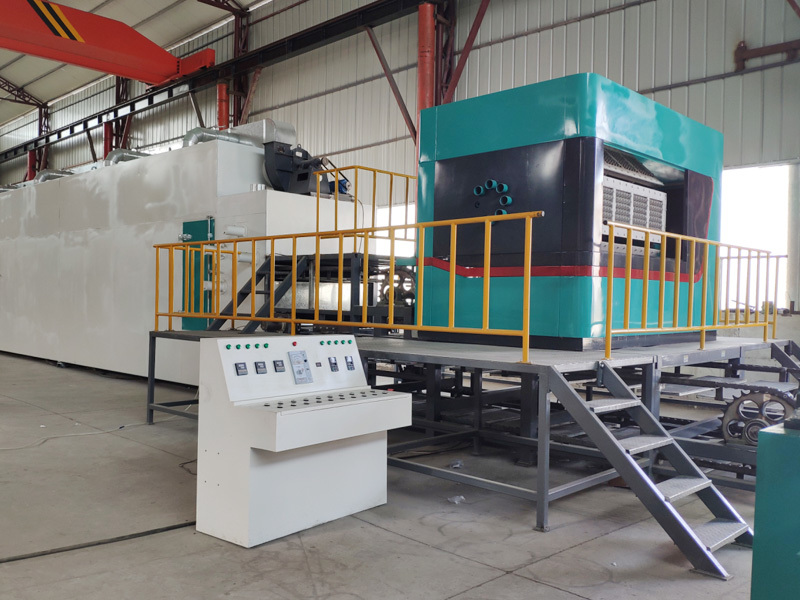
The advantages of our automatic egg tray machine
Firstly, fewer workers are needed, and machines can replace workers to complete most of the work. In addition, it can also reduce the rate of defective products.
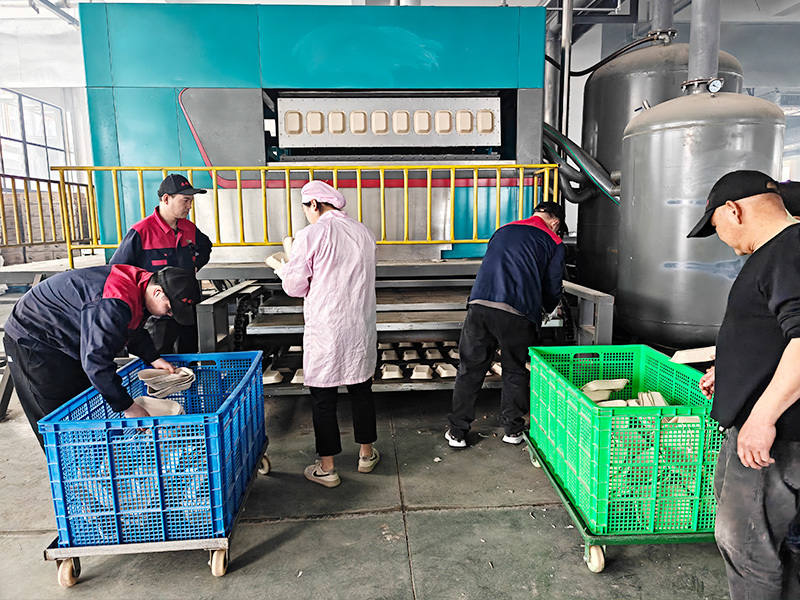
What are the precautions for buying an egg tray machine?
Firstly, determine the required equipment specifications and models based on production needs; secondly, choose a good and experienced manufacturer to ensure the reliability of equipment quality;
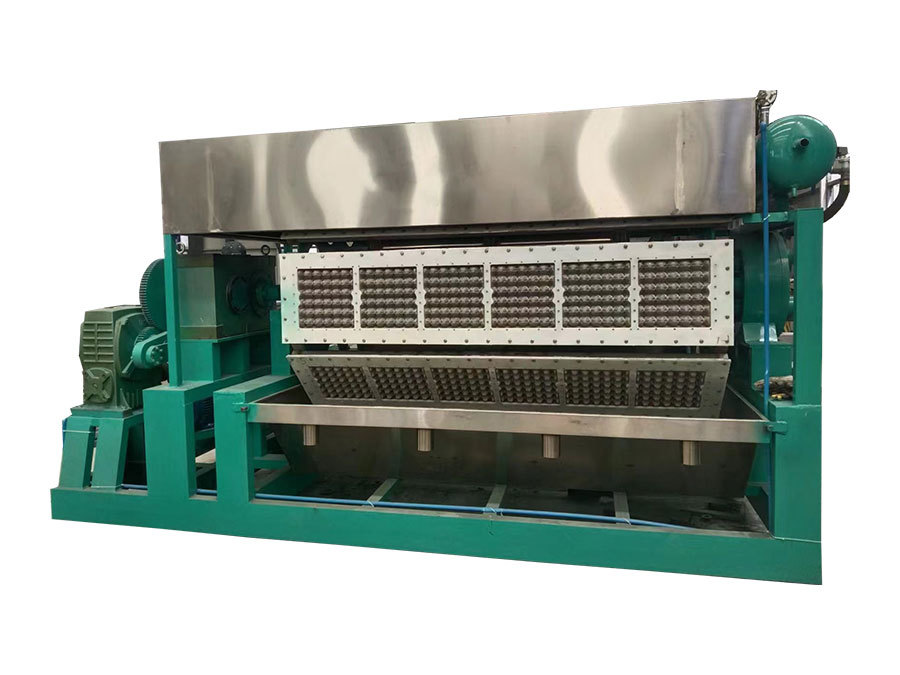
Exploring the Technology Behind Full-Automatic Egg Tray Machines Table of Contents 1. Introduction to Full-Automatic Egg Tray Machines 2. Overview of Egg Tray Manufacturing Technology 3. Key Components of Full-Automatic Egg Tray Machines 4. The Production Process: Step-by-Step Breakdown 5. Advantages of Using Full-Automatic Egg Tray Machines 6. Applications of Egg Tray Mac

Dedicated to research and innovation in egg tray machines, egg tray production lines, pulp molding production lines, industrial packaging, tableware packaging, automatic packaging machines, and other related fields


