
Maximizing Output: Expert Tips for Operating Full-Automatic Egg Tray Machines
Maximizing Output: Expert Tips for Operating Full-Automatic Egg Tray Machines In the competitive world of egg tray production, efficiency and quality are paramount. Full-automatic egg tray machines have revolutionized the manufacturing process, allowing for higher output with minimal labor. However, to truly maximize the capabilities of these advanced machines, it is crucial to understand the best
Maximizing Output: Expert Tips for Operating Full-Automatic Egg Tray Machines
In the competitive world of egg tray production, efficiency and quality are paramount. Full-automatic egg tray machines have revolutionized the manufacturing process, allowing for higher output with minimal labor. However, to truly maximize the capabilities of these advanced machines, it is crucial to understand the best practices for operation, maintenance, and optimization. In this comprehensive guide, we delve into the essential tips and techniques for operating full-automatic egg tray machines effectively.
Table of Contents
- Understanding Full-Automatic Egg Tray Machines
- Benefits of Full-Automatic Egg Tray Machines
- Key Components of Full-Automatic Egg Tray Machines
- Operational Tips for Maximum Efficiency
- Maintenance Strategies for Longevity
- Troubleshooting Common Issues
- Training Your Operators Effectively
- Future Trends in Egg Tray Production
- Conclusion
- FAQs
Understanding Full-Automatic Egg Tray Machines
Full-automatic egg tray machines transform waste paper into high-quality egg trays through a series of automated processes. By utilizing advanced technology, these machines streamline production, reduce labor costs, and maintain consistent quality. Understanding how these machines work—from pulp preparation to drying—is crucial for optimizing their use.
How Full-Automatic Egg Tray Machines Work
The process begins with the collection of waste paper, which is then shredded and mixed with water to create a pulp. This pulp is fed into a forming mold, where it takes the shape of egg trays. Once formed, the trays are dried using heat, either from natural sunlight or through mechanical dryers. The entire process is automated to ensure efficiency and minimal human intervention.
Benefits of Full-Automatic Egg Tray Machines
Choosing a full-automatic egg tray machine offers numerous advantages over semi-automatic models. These benefits include:
- Increased Production Capacity: Full-automatic machines can produce thousands of trays per hour, making them ideal for high-demand operations.
- Lower Labor Costs: With automated processes, the need for manual labor is significantly reduced, allowing businesses to allocate resources more efficiently.
- Consistent Quality: Automation ensures that every tray is produced to the same high standard, minimizing defects and rework.
- Enhanced Safety: Reduced human intervention lowers the risk of workplace accidents and injuries.
Key Components of Full-Automatic Egg Tray Machines
To maximize output, it is essential to familiarize yourself with the key components of full-automatic egg tray machines. Understanding these elements allows operators to troubleshoot and maintain the equipment effectively.
The Pulping System
The pulping system is the heart of the egg tray machine. It converts waste paper into a homogenous pulp, which is crucial for forming quality trays. Regularly check the shredders and mixers for wear and tear to ensure optimal performance.
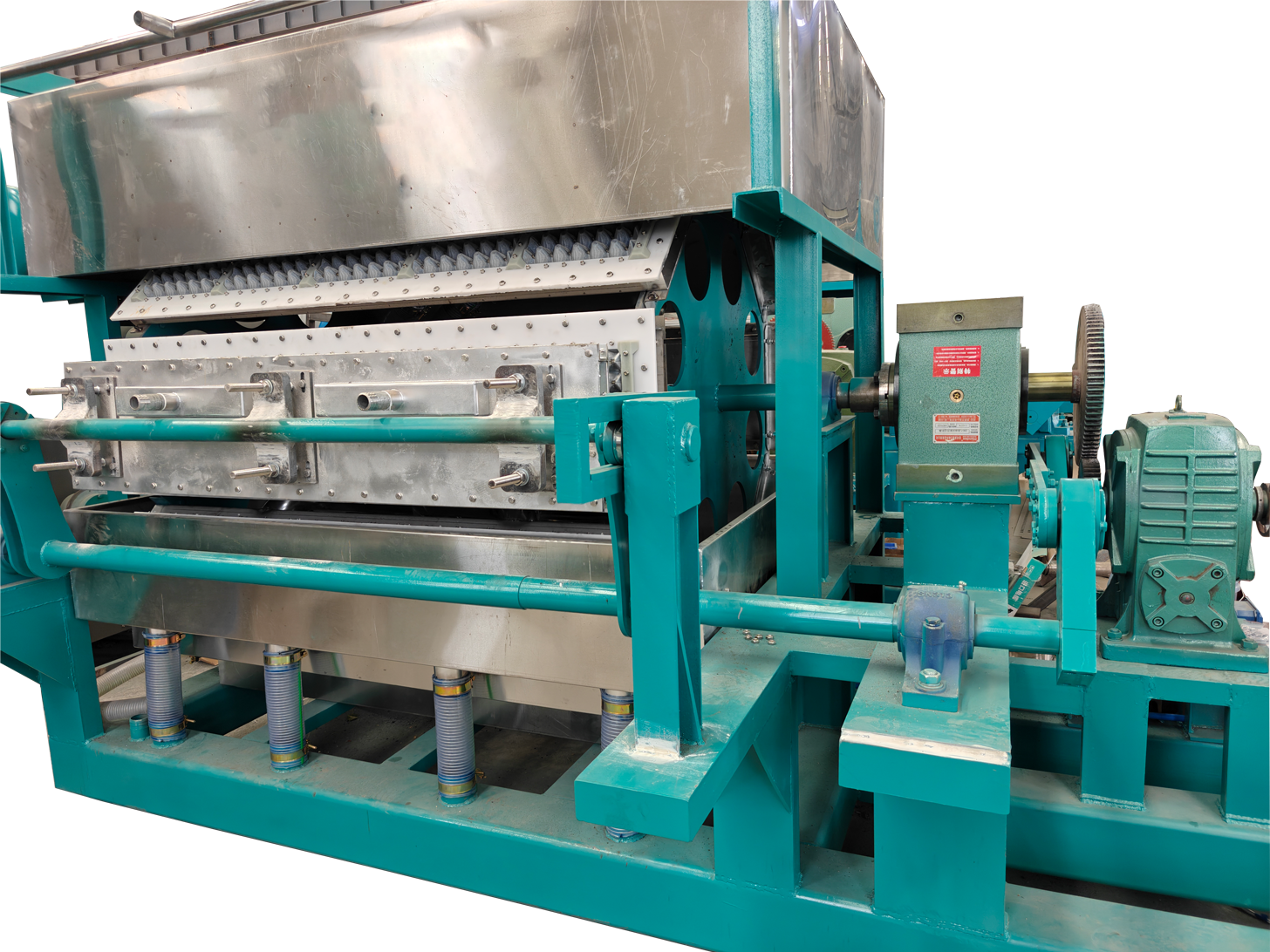
The Forming Mold
The forming mold shapes the pulp into trays. It is critical to maintain the molds to prevent buildup and ensure proper tray formation. A clean mold will produce better quality trays and reduce production downtime.
The Drying System
The drying system removes moisture from the formed trays, solidifying their shape. Depending on the machine setup, this can include natural drying or mechanical drying systems. Monitoring the drying temperature and time is essential for achieving the best results.
Operational Tips for Maximum Efficiency
1. Optimize Raw Material Input
The quality of the raw material directly influences the output quality of egg trays. Always use clean, high-quality waste paper for pulping. Conduct regular inspections to ensure consistent input quality and minimize impurities.
2. Monitor Machine Settings
Each machine has specific settings that should be adjusted based on production needs. Regularly review and calibrate settings for pulp consistency, drying times, and mold pressure to achieve optimal output.
3. Implement Time Management
Time is a critical factor in production. Streamline workflows by scheduling regular maintenance and implementing standardized operating procedures. This practice ensures that all operators follow the best steps, minimizing production delays.
4. Invest in Automation Technology
Utilizing the latest automation technology can significantly enhance production efficiency. Consider incorporating sensors and monitoring systems to track performance metrics, allowing for data-driven decision-making.
5. Ensure a Clean Work Environment
A clean workspace is crucial for efficient machine operation. Regularly clean the machine components, remove pulp residue, and maintain a tidy production area to minimize the risk of malfunctions and optimize output.
Maintenance Strategies for Longevity
Regular maintenance is essential to keep full-automatic egg tray machines running smoothly. Implement these strategies to extend the lifespan of your equipment:
1. Scheduled Inspections
Establish a routine inspection schedule to evaluate all machine components. Inspect for wear and tear, loose parts, and any signs of malfunction. Regular inspections can help identify issues before they escalate into major problems.
2. Lubrication and Cleaning
Proper lubrication of moving parts is essential for smooth operation. Additionally, keeping the machine clean can prevent buildup that leads to inefficiencies. Create a cleaning checklist to ensure all parts are maintained regularly.
3. Replace Worn Parts Promptly
Identify and replace worn or damaged components as soon as possible. Delaying repairs can lead to larger breakdowns, resulting in costly downtime and loss of productivity.
4. Train Staff on Maintenance Best Practices
Ensure that all operators are trained in basic maintenance tasks and understand the importance of keeping the equipment in top condition. A knowledgeable workforce can help prevent accidents and enhance overall machine performance.
Troubleshooting Common Issues
Even with proper maintenance and operation, issues can arise. Here are some common problems and their solutions:
1. Inconsistent Tray Quality
If the trays produced have varying quality, check the pulp consistency and ensure that the forming molds are clean. Additionally, verify that the drying system is functioning correctly to eliminate moisture uniformly.
2. Machine Overheating
Overheating can lead to equipment failure. Ensure that cooling systems are operational and that there are no blockages in ventilation. Regularly clean the heat exchangers to enhance cooling efficiency.
3. Production Downtime
Frequent downtime can severely impact productivity. Conduct thorough inspections to identify any recurring issues. Implementing preventive maintenance strategies can help reduce unexpected breakdowns.
Training Your Operators Effectively
The success of your full-automatic egg tray machine operation heavily relies on well-trained operators. Invest in comprehensive training programs that cover:
1. Machine Operation
Ensure that operators are familiar with all aspects of machine operation, including starting, stopping, and adjusting settings for optimum performance.
2. Safety Protocols
Safety should always be a priority. Train operators on safety protocols to minimize the risk of accidents and injuries while using the machinery.
3. Problem-Solving Skills
Equip operators with the skills needed to address common issues that may arise during production. Encourage them to report problems immediately and understand basic troubleshooting techniques.
Future Trends in Egg Tray Production
The egg tray production industry is continuously evolving. Staying ahead of trends can give businesses a competitive edge. Here are some emerging trends to watch:
1. Sustainability Practices
As environmental concerns grow, more manufacturers are focusing on sustainability. Utilizing eco-friendly materials and processes will become increasingly important in egg tray production.
2. Smart Manufacturing
The integration of IoT and smart technology in production lines is on the rise. These advancements can help track performance metrics in real time, optimizing production efficiency and reducing waste.
3. Customization Options
With changing consumer preferences, offering customizable egg trays may become a significant trend. Machines with the capability to produce various designs and sizes will be in high demand.
Conclusion
Operating full-automatic egg tray machines effectively requires a combination of knowledge, skill, and proactive management. By understanding the machinery, implementing best practices for operation and maintenance, and investing in training, businesses can significantly maximize their output. As the industry continues to evolve, staying informed about emerging trends will further enhance production capabilities and ensure long-term success in the ever-competitive egg tray market.
FAQs
1. What is a full-automatic egg tray machine?
A full-automatic egg tray machine is an advanced piece of equipment that converts waste paper into egg trays through automated processes, improving efficiency and reducing labor costs.
2. How can I optimize the output of my egg tray machine?
To optimize output, focus on raw material quality, monitor machine settings, implement time management, invest in technology, and maintain a clean work environment.
3. What maintenance practices should I follow for my egg tray machine?
Regular inspections, lubrication, cleaning, and prompt replacement of worn parts are essential maintenance practices to ensure longevity and performance.
4. How can I troubleshoot inconsistent tray quality?
Check for pulp consistency, ensure molds are clean, and verify that the drying system is functioning properly to eliminate moisture uniformly.
5. Are there any training programs available for operators of egg tray machines?
Yes, many manufacturers offer training programs that cover machine operation, safety protocols, and troubleshooting techniques to help operators perform efficiently.
TAG:
Related Blog

Revolutionizing Production: The Benefits of Full-Automatic Egg Tray Machines

The Future of Sustainable Packaging: Insights on Egg Tray Machine Production Line
The Future of Sustainable Packaging: Egg Tray Machine Production Line Insights Table of Contents Introduction to Sustainable Packaging The Importance of Sustainable Packaging Understanding Egg Tray Machines The Egg Tray Machine Production Line Process Benefits of Egg Tray Machine Production Sustainability in Manufacturing Practices Future Trends in Sustainable Packaging Challenges
Transforming Waste into Wealth: The Impact of Full-Automatic Egg Tray Machines on Sustainable Recycling Table of Contents Introduction: The Need for Sustainable Solutions in Recycling What Are Full-Automatic Egg Tray Machines? How Full-Automatic Egg Tray Machines Work Benefits of Using Full-Automatic Egg Tray Machines The Environmental Impact of Recycling with Egg Tray Machine
Maximizing Output: Expert Tips for Operating Full-Automatic Egg Tray Machines
Maximizing Output: Expert Tips for Operating Full-Automatic Egg Tray Machines In the competitive world of egg tray production, efficiency and quality are paramount. Full-automatic egg tray machines have revolutionized the manufacturing process, allowing for higher output with minimal labor. However, to truly maximize the capabilities of these advanced machines, it is crucial to understand the best

Dedicated to research and innovation in egg tray machines, egg tray production lines, pulp molding production lines, industrial packaging, tableware packaging, automatic packaging machines, and other related fields


